

Table of contents [Show]
- Introduction
- What Is Dry Pepper?
- Nutritional Components Found in Dry Pepper
- Can Dry Pepper Cause High Blood Pressure?
- How Dry Pepper May Affect Individuals With High Blood Pressure
- Possible Benefits of Moderate Pepper Consumption
- Healthy Tips for People With High Blood Pressure
- Foods That May Support Healthy Blood Pressure
- Frequently Asked Questions
- Conclusion
Introduction
Dry pepper is a common ingredient used in many Nigerian meals because of its strong flavor, spicy taste, and ability to improve appetite. It is often added to soups, stews, sauces, rice dishes, and snacks. While many people enjoy spicy foods, individuals living with high blood pressure frequently wonder whether consuming dry pepper is safe for their health.
High blood pressure, also known as hypertension, is a condition in which the force of blood against the walls of the arteries becomes consistently high. Poor dietary habits, excessive salt intake, lack of physical activity, stress, obesity, and certain lifestyle factors may contribute to this condition.
Dry pepper itself does not directly cause high blood pressure in most healthy individuals. However, the way spicy foods are prepared and consumed may influence overall heart health and blood pressure management.
What Is Dry Pepper?
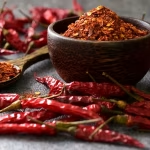
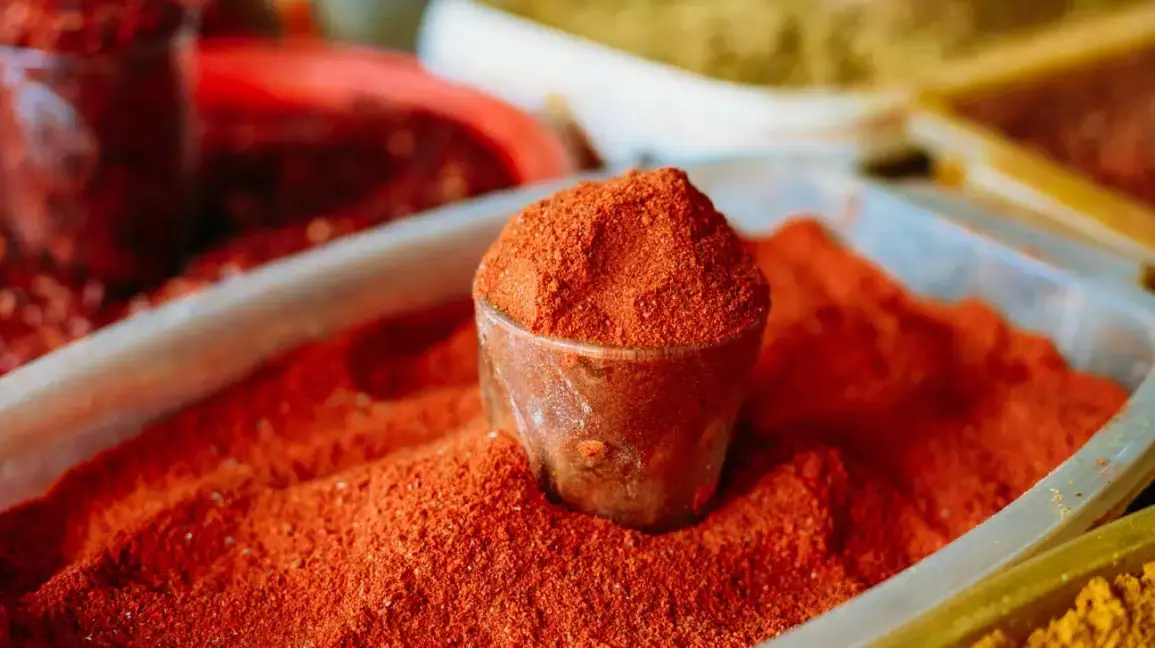
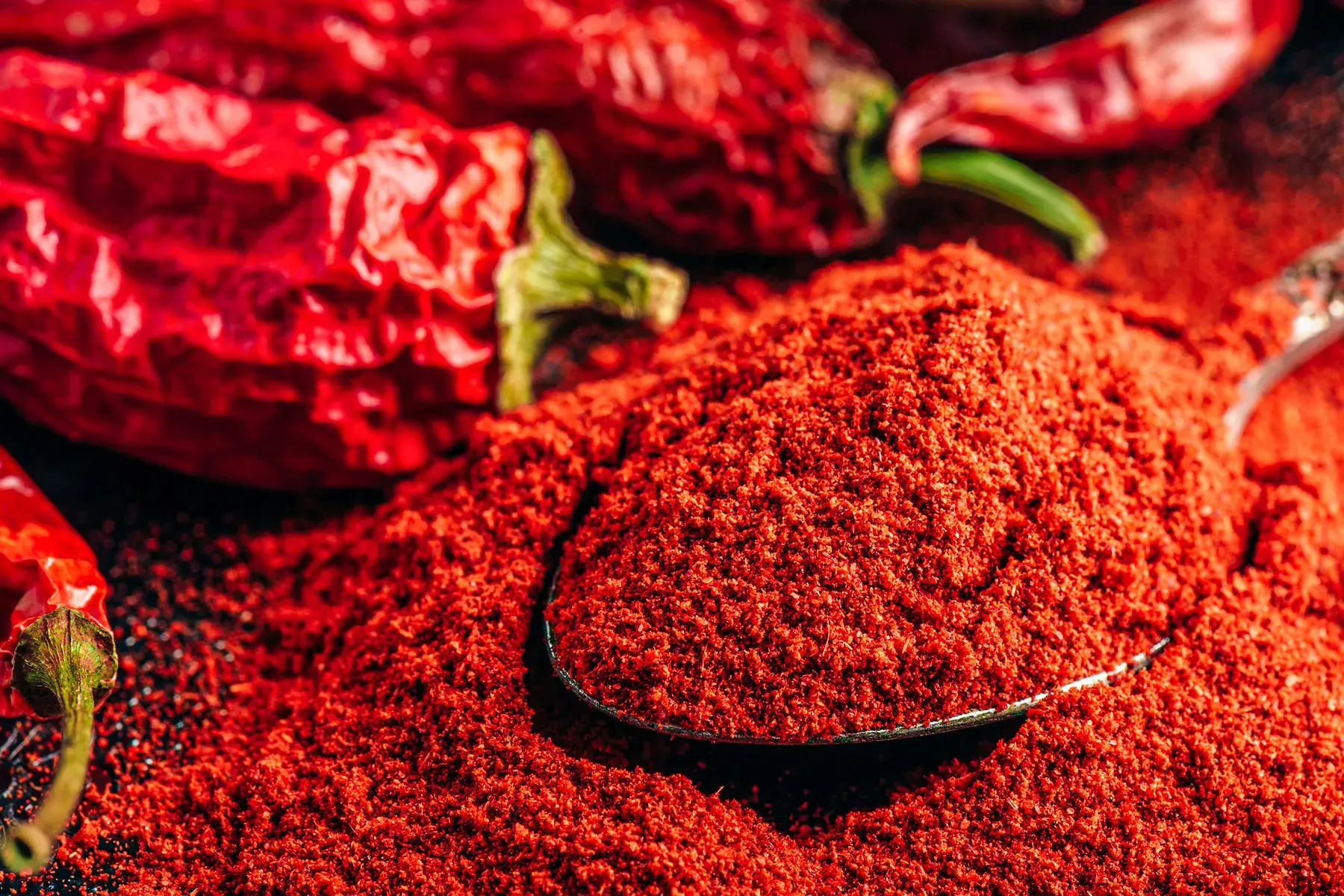
Dry pepper refers to peppers that have been dried naturally or processed for cooking purposes. Common types include:
- dried chili pepper,
- cayenne pepper,
- dry red pepper,
- and ground pepper powder.
Dry pepper contains compounds such as capsaicin, which is responsible for its spicy sensation.
Nutritional Components Found in Dry Pepper
Dry pepper contains small amounts of nutrients and plant compounds, including:
- vitamin C,
- vitamin A,
- antioxidants,
- and capsaicin.
These compounds may contribute to certain health benefits when consumed moderately.
Can Dry Pepper Cause High Blood Pressure?
There is no strong evidence that moderate consumption of dry pepper directly causes high blood pressure in healthy individuals. In some cases, spicy foods may temporarily increase heart rate or create a feeling of heat in the body, but this does not necessarily mean blood pressure becomes dangerously elevated.
However, certain factors associated with spicy foods may affect people living with hypertension.
How Dry Pepper May Affect Individuals With High Blood Pressure
1. Excessively Spicy Meals May Cause Discomfort
Some individuals may experience:
- sweating,
- temporary flushing,
- faster heartbeat,
- or digestive discomfort after eating very spicy foods.
People with sensitive health conditions may find these reactions uncomfortable.
2. Pepper Is Often Combined With Excess Salt
Many spicy meals also contain large amounts of salt, seasoning cubes, processed ingredients, or oily foods. Excess sodium intake is strongly linked to increased blood pressure.
In many cases, the real concern is not the pepper itself but the overall preparation of the meal.
3. Processed Pepper Products May Contain Additives
Some packaged pepper seasonings and processed spice mixes may contain excess sodium and preservatives, which may not be suitable for individuals managing hypertension.
Possible Benefits of Moderate Pepper Consumption
When consumed moderately as part of balanced diets, dry pepper may offer certain potential benefits.
1. May Improve Appetite
Pepper can enhance flavor and make meals more enjoyable.
2. Contains Antioxidants
Antioxidants help protect body cells from damage caused by oxidative stress.
Capsaicin may slightly increase body heat production and metabolic activity.
4. May Encourage Reduced Salt Usage
Some people use pepper and spices to improve flavor naturally instead of relying heavily on salt.
Healthy Tips for People With High Blood Pressure

1. Reduce Excess Salt Intake
Limiting sodium consumption is one of the most important dietary steps for managing high blood pressure.
2. Eat Balanced Meals
Include:
- vegetables,
- fruits,
- whole grains,
- legumes,
- lean proteins,
- and healthy fats.
3. Use Pepper Moderately
Moderate spice levels may be tolerated by many individuals, but personal tolerance differs.
4. Avoid Highly Processed Foods
Processed foods often contain excess salt, unhealthy fats, and preservatives.
5. Monitor Individual Reactions
People living with hypertension should pay attention to how their body responds after consuming very spicy meals.
Foods That May Support Healthy Blood Pressure
Examples include:
- bananas,
- leafy vegetables,
- oats,
- beans,
- fish,
- fruits,
- and foods rich in potassium and fiber.
Maintaining healthy eating habits alongside medical advice is important for proper blood pressure management.
Frequently Asked Questions
Is dry pepper dangerous for people with high blood pressure?
Moderate pepper consumption may not be harmful for many individuals, but excessively spicy meals and high-sodium foods should be approached carefully.
Can spicy foods increase blood pressure temporarily?
Some people may experience temporary increases in heart rate or body heat after eating spicy foods, but this does not always indicate dangerous blood pressure changes.
What matters most for controlling high blood pressure?
Overall diet quality, reduced salt intake, physical activity, stress management, and medical guidance are important factors.
Conclusion
Dry pepper itself is not usually the main cause of high blood pressure, especially when consumed moderately. However, the way spicy foods are prepared, particularly with excess salt and processed ingredients, may affect individuals managing hypertension. Maintaining balanced eating habits, moderating spice intake based on personal tolerance, and following healthy lifestyle practices are important steps for supporting heart health and blood pressure control.