

Table of contents [Show]
- Introduction
- What Is a Plant-Based Diet?
- Misconception 1: Plant-Based Diets Do Not Provide Enough Protein
- Misconception 2: You Cannot Gain Strength Without Meat
- Misconception 3: Plant-Based Diets Do Not Provide Enough Energy for Workouts
- Tips for Building Muscle on a Plant-Based Diet
- Frequently Asked Questions
- Conclusion
3 Common Misconceptions About Building Muscle on a Plant-Based Diet

Introduction
Plant-based diets have become increasingly popular among individuals interested in healthier lifestyles, fitness, and overall wellbeing. However, many people still believe that building muscle is difficult or impossible without consuming large amounts of animal-based foods. These beliefs have created several misconceptions about plant-based nutrition and muscle development.
In reality, muscle growth depends on factors such as adequate nutrition, proper exercise, sufficient protein intake, rest, and consistency. A properly planned plant-based diet can provide the nutrients needed to support physical activity and muscle development.
What Is a Plant-Based Diet?
A plant-based diet focuses mainly on foods obtained from plants, including:
- fruits,
- vegetables,
- legumes,
- whole grains,
- nuts,
- and seeds.
Some individuals completely avoid animal products, while others simply increase the amount of plant foods in their meals.
Misconception 1: Plant-Based Diets Do Not Provide Enough Protein
One of the most common myths is that plant-based foods cannot provide enough protein for muscle growth. While protein is important for muscle repair and development, many plant foods contain useful amounts of protein.
Plant-Based Protein Sources
Examples include:
- beans,
- lentils,
- soy products,
- peas,
- nuts,
- seeds,
- and whole grains.
Combining different plant foods throughout the day may help support balanced protein intake.
Why Protein Still Matters
Protein helps repair muscle tissues after exercise and supports recovery following physical activity. Individuals following plant-based diets should still aim for balanced and adequate nutrition.
Misconception 2: You Cannot Gain Strength Without Meat
Some people believe that only meat-based diets can support strength and muscle growth. However, muscle development depends on several factors beyond meat consumption alone.
Important factors include:
- consistent strength training,
- proper calorie intake,
- adequate rest,
- hydration,
- and balanced nutrition.
A well-planned plant-based diet can support energy levels and recovery needed for exercise performance.
Misconception 3: Plant-Based Diets Do Not Provide Enough Energy for Workouts
Carbohydrates are an important energy source during exercise, and many plant foods naturally contain carbohydrates that help fuel physical activity.
Examples include:
- oats,
- rice,
- potatoes,
- fruits,
- and whole grains.
These foods may help support endurance and workout performance when consumed appropriately.
Tips for Building Muscle on a Plant-Based Diet
1. Eat Balanced Meals
Include carbohydrates, proteins, healthy fats, fruits, and vegetables in your daily meals.
2. Consume Enough Calories
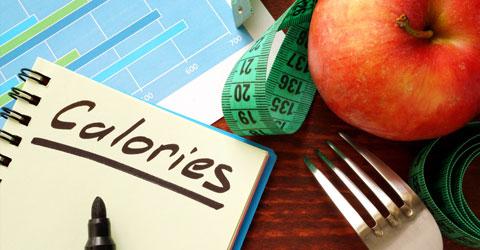
Muscle growth requires adequate overall energy intake, especially for active individuals.
3. Prioritize Protein Sources
Include protein-rich plant foods regularly throughout the day.
4. Stay Consistent With Exercise
Strength training and regular physical activity are important for muscle development.
5. Get Enough Rest
Muscle recovery occurs during rest periods and adequate sleep.
Frequently Asked Questions
Can plant-based diets support muscle growth?
Yes. Properly planned plant-based diets can support muscle development alongside regular exercise and adequate nutrition.
Are plant proteins effective for active individuals?
Yes. Many plant foods provide protein that contributes to muscle repair and recovery.
Do athletes follow plant-based diets?
Some athletes and physically active individuals choose plant-based eating patterns while maintaining exercise performance.
Conclusion
Many misconceptions exist about building muscle on a plant-based diet, but muscle development depends more on balanced nutrition, exercise, consistency, and recovery than on consuming meat alone. By including adequate plant-based protein sources and maintaining healthy lifestyle habits, individuals can support both fitness goals and overall wellbeing.