



Avoid This Common Misstep
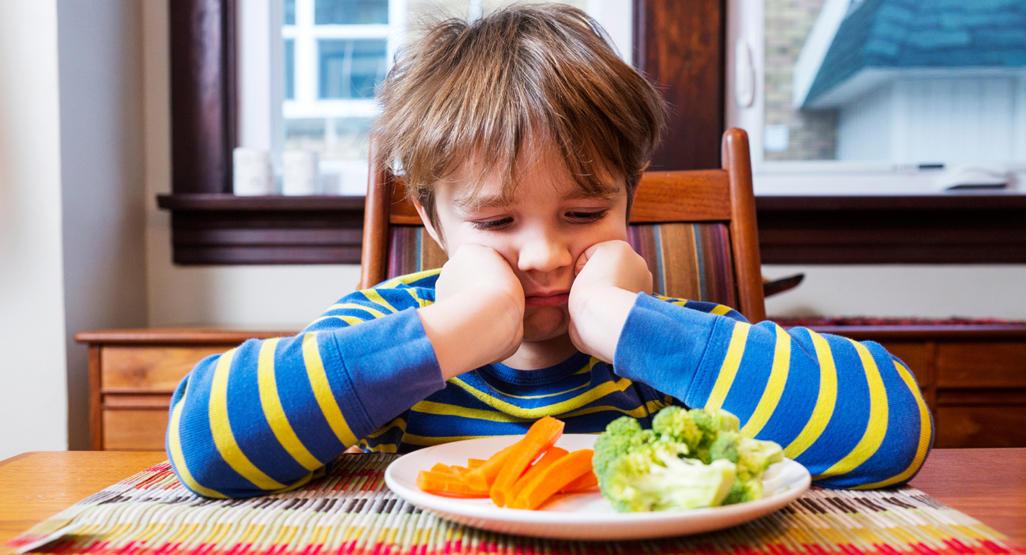
If mealtimes in your home feel like a negotiation or even a battleground you’re not alone. Many parents struggle with picky eaters, especially during the toddler and early childhood years. It can be frustrating to prepare a healthy meal only to have it rejected after one glance.
But here’s the surprising part: the biggest mistake parents make with picky eaters often makes the problem worse, not better.
Let’s break it down and more importantly, how to fix it.

Table of contents [Show]
Why Picky Eating Happens
Before tackling solutions, it helps to understand why children become selective with food in the first place.
Picky eating is often a normal developmental phase. Children are naturally cautious about new foods (a trait known as food neophobia), and their appetites can fluctuate as they grow. Add in strong preferences for taste, texture, and familiarity, and you’ve got the perfect recipe for selective eating.
The good news? Most kids grow out of it—if handled the right way.
The Common Misstep: Pressure and Control
One of the most common mistakes parents make is pressuring children to eat.
This can look like:
- Forcing “just one more bite”
- Using rewards (“Eat your veggies and get dessert”)
- Punishing refusal to eat
- Turning meals into emotional standoffs
While these tactics might work temporarily, they often backfire in the long run.
Why It Doesn’t Work
Pressuring a child to eat can:
- Increase resistance to certain foods
- Create negative associations with mealtime
- Reduce a child’s ability to listen to their own hunger cues
In short, it turns eating into a power struggle—and that’s a game no one really wins.
What to Do Instead
The goal isn’t to force your child to eat everything. It’s to create a positive, low-pressure food environment where they feel comfortable exploring new foods at their own pace.
1. Follow the “Parent Provides, Child Decides” Rule
You decide:
- What foods are offered
- When meals and snacks happen
Your child decides:
- Whether to eat
- How much to eat
This approach builds trust and reduces conflict.
2. Keep Offering (Without Forcing)
Children often need multiple exposures sometimes 10 or more before accepting a new food.
Offer small portions alongside familiar favorites, and don’t make a big deal if they refuse.
3. Make Meals Predictable
Stick to regular meal and snack times. Grazing throughout the day can reduce appetite and make picky eating worse.
4. Model Healthy Eating
Kids pay attention to what you eat. When they see you enjoying a variety of foods, they’re more likely to follow your lead over time.
5. Avoid Becoming a Short-Order Cook
It’s tempting to prepare a separate meal just to ensure your child eats something but this reinforces picky habits.
Instead, include at least one food you know your child likes in every meal.
Small Changes, Big Results
Helping a picky eater doesn’t require drastic measures. In fact, the simpler approach often works best:
- Reduce pressure
- Stay consistent
- Be patient
Over time, these small changes can lead to a more relaxed mealtime and a more adventurous eater.
When to Be Concerned
While picky eating is usually normal, there are situations where you may want to seek professional advice:
- Extremely limited food choices
- Difficulty chewing or swallowing
- Poor growth or weight gain
In such cases, a pediatrician or nutrition specialist can provide guidance.
Final Thoughts
Picky eating can test your patience, but it’s rarely permanent. The key is avoiding the urge to control every bite your child takes.
By stepping back, staying consistent, and creating a positive environment around food, you give your child the space they need to develop healthy eating habits without the daily drama.
FAQs
Should I let my child skip meals if they refuse to eat?
Yes, occasionally. If you maintain consistent meal and snack times, they’ll have another opportunity to eat soon.
Is it okay to hide vegetables in food?
It can help nutritionally, but it shouldn’t replace offering whole vegetables openly.
How long does picky eating last?
It varies, but most children improve over time with the right approach.
What if my child only eats a few foods?
Continue offering variety without pressure, and monitor growth to ensure they’re getting enough nutrients.