

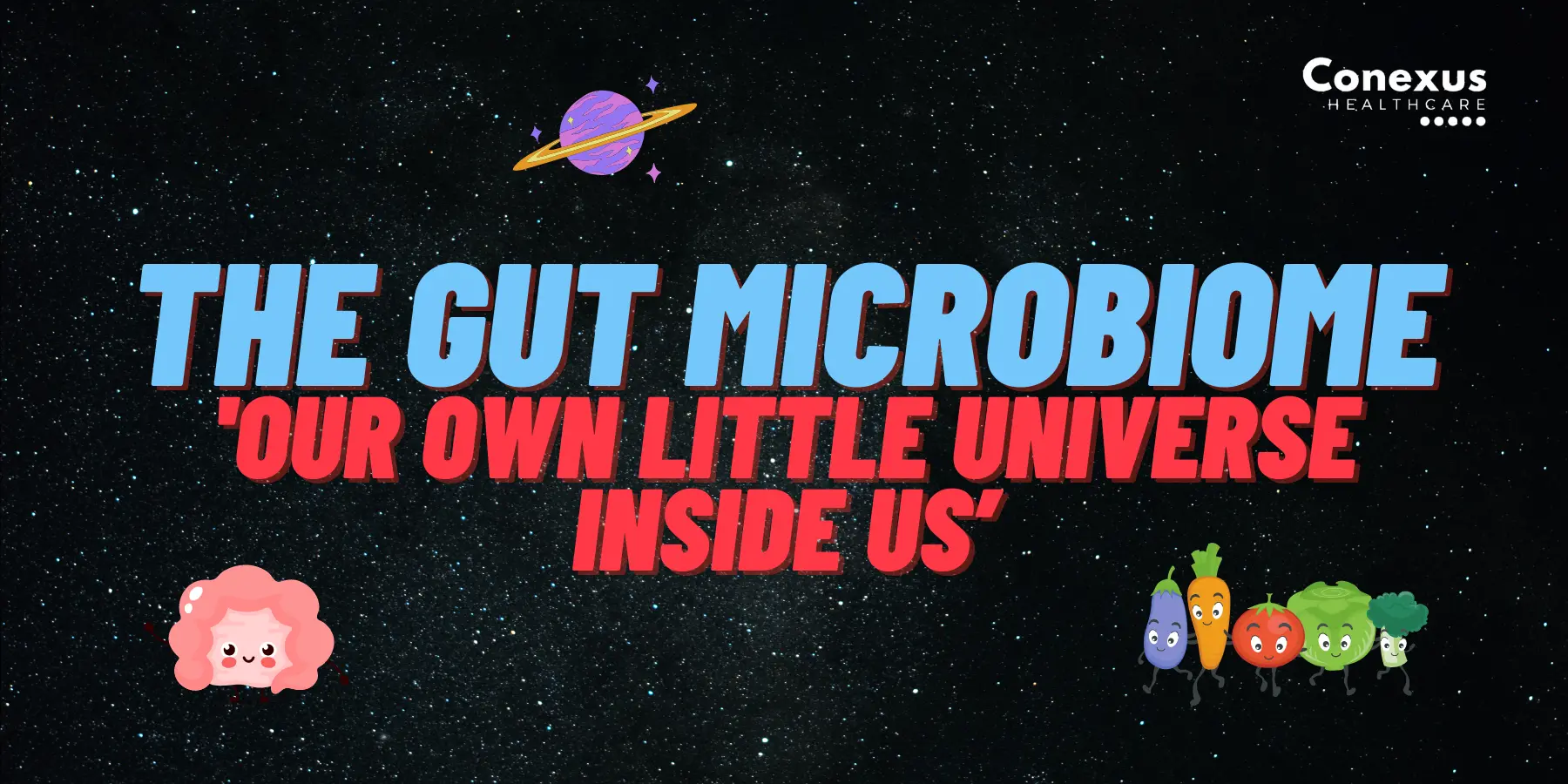
Inside your body exists an entire ecosystem trillions of microorganisms living, interacting, and quietly shaping your health every day. This internal world, known as the microbiome, plays a far bigger role than most people realize.
From digestion to immunity and even mental well being your microbiome is constantly at work. The question is: are you feeding it the right way?
Table of contents [Show]
What Is the Microbiome?
The human microbiome refers to the vast community of bacteria, fungi, and other microbes that live primarily in your gut. While that might sound unsettling, most of these organisms are not harmful. In fact, many are essential for keeping your body functioning properly.
A balanced microbiome helps:
Break down food and absorb nutrients
Support immune system function
Protect against harmful bacteria
Influence mood and brain health
Think of it as a hidden partner in your overall wellness.
Why Your Gut Health Matters More Than You Think
Your gut isn’t just about digestion—it’s a central hub for your health.
Researchers have found links between gut health and:
Immune response
Weight management
Inflammation levels
Mental health through the gut-brain connection
When your microbiome is out of balance (a condition often called dysbiosis), it can contribute to a range of health issues.
What Harms the Microbiome?
Modern lifestyles can unintentionally disrupt this delicate ecosystem. Common culprits include:
Diets high in processed foods and added sugars
Excessive antibiotic use
Chronic stress
Lack of dietary fiber
These factors can reduce beneficial bacteria and allow less helpful microbes to thrive.
Feeding Your Microbiome the Right Way
The good news? Your microbiome responds quickly to what you eat. Small, consistent changes can make a big difference.
1. Prioritize Fiber-Rich Foods
Fiber is one of the most important nutrients for gut health. It feeds beneficial bacteria and helps them thrive.
Include:
Fruits and vegetables
Whole grains
Legumes like beans and lentils
2. Add Fermented Foods
Fermented foods contain live beneficial bacteria (probiotics) that can support gut balance.
Examples include:
Yogurt with live cultures
Kefir
Sauerkraut and kimchi
3. Include Prebiotic Foods
Prebiotics are specific types of fiber that nourish good bacteria.
Good sources:
Garlic
Onions
Bananas
Asparagus
4. Reduce Ultra-Processed Foods
Highly processed foods can negatively affect gut bacteria diversity. Limiting these helps maintain a healthier balance.
5. Stay Consistent
Your microbiome thrives on routine. Consistent healthy eating patterns are more effective than short-term changes.
Beyond Food: Lifestyle Matters Too
Diet is crucial, but it’s not the only factor.
To support your microbiome:
Get enough sleep
Manage stress levels
Stay physically active
All of these influence gut health in meaningful ways.
Signs Your Microbiome May Need Attention
While not always obvious, some signs of imbalance include:
Frequent digestive discomfort (bloating, gas)
Low energy levels
Weakened immunity
Irregular bowel habits
If symptoms persist, it’s worth consulting a healthcare professional.
The Future of Health Starts in the Gut
Science is still uncovering just how powerful the microbiome is. What’s already clear is this: taking care of your gut isn’t just about digestion—it’s about supporting your entire body.
Final Thoughts
Your microbiome is like a hidden universe within you—constantly evolving, responding, and influencing your health in ways you may not even notice.
By feeding it well and maintaining a balanced lifestyle, you’re not just improving your gut—you’re investing in your long-term well-being.
FAQs
What is the microbiome in simple terms?
It’s the community of microorganisms living in your body, especially in your gut, that help keep you healthy.
How quickly can diet affect the microbiome?
Changes can begin within days, but lasting improvements require consistent habits.
Do I need probiotic supplements?
Not always. Many people can support their microbiome through diet alone.
Can stress affect gut health?
Yes, stress can disrupt the balance of gut bacteria and impact digestion.